
Georgia
Tbilisi
Sulphur baths, mountain roads and warm hospitality.
Tbilisi International Airport (TBS) lies about 17 kilometres east of the city and is small enough to clear quickly. It is used by a mix of full-service and low-cost airlines, with many routes operating late at night, so plan your arrival transfer in advance.
City bus 337 runs between the terminal and the centre, and a suburban train service also links the airport with Tbilisi's central station. Taxis and ride-hailing apps are inexpensive; agree the app fare rather than negotiating at the kerb.
Late spring (April to June) and early autumn (September to October) are the most pleasant, with mild temperatures for walking the old town and the hills. July and August can be hot in the valley, while winter is cold and is mainly of interest if you plan to combine the city with skiing in the Caucasus.
Tbilisi is compact and walkable, though hilly and often cobbled. There are two metro lines, plus buses and minibuses, all payable with a Metromoney card or a contactless bank card. The Narikala cable car and the Mtatsminda funicular double as viewpoints.
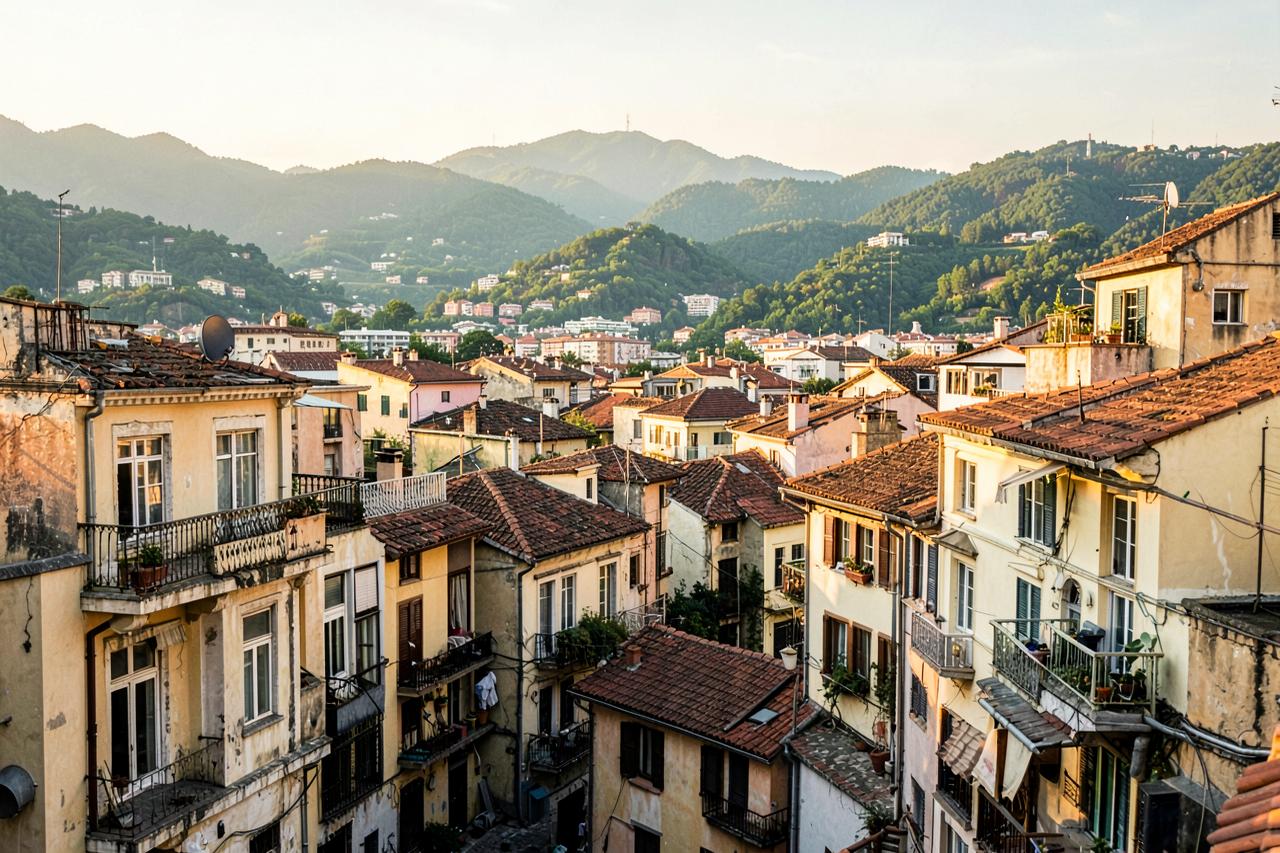
Highlights include the sulphur bath district of Abanotubani, Narikala fortress and the Kartlis Deda statue, the balconied lanes of the old town, Rustaveli Avenue with the National Museum and opera house, the dry bridge flea market, and wine bars pouring Georgian qvevri wines. Day trips reach Mtskheta, the cave town of Uplistsikhe and the Kazbegi mountain road.
Practical notes: the currency is the Georgian lari (GEL); cards are widely used and cash machines are easy to find. Georgian and Russian are common, with English spoken in tourist businesses. Confirm the entry rules for your nationality with an official source before you book.
Complete Your Trip to Tbilisi
Flights stay the heart of DROOB SAMA. These pages help you arrange the rest of the trip.